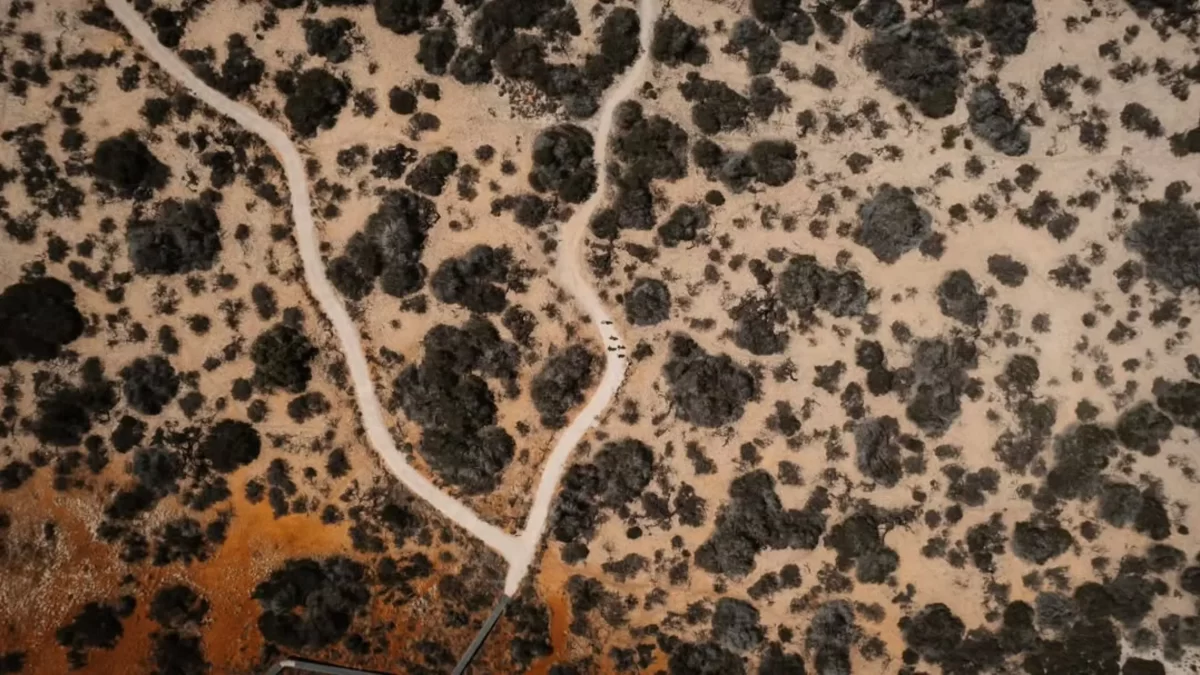

Monkey Mia Dolphins & Tours – Best Guide 2025
Monkey Mia is one of WA’s most loved tourist destinations, famous for wild dolphins, clear waters and rich history. Located in the UNESCO-listed Shark Bay World Heritage Area, Monkey Mia is synonymous with dolphin experiences, marine conservation and ecotourism. But beyond the friendly dolphins that attract visitors from around the world, this place has a deep history including Indigenous heritage, early European exploration and evolving conservation efforts. Travelers from around the world book Monkey Mia tours to see it all for themselves.
Contents
The Indigenous Connection
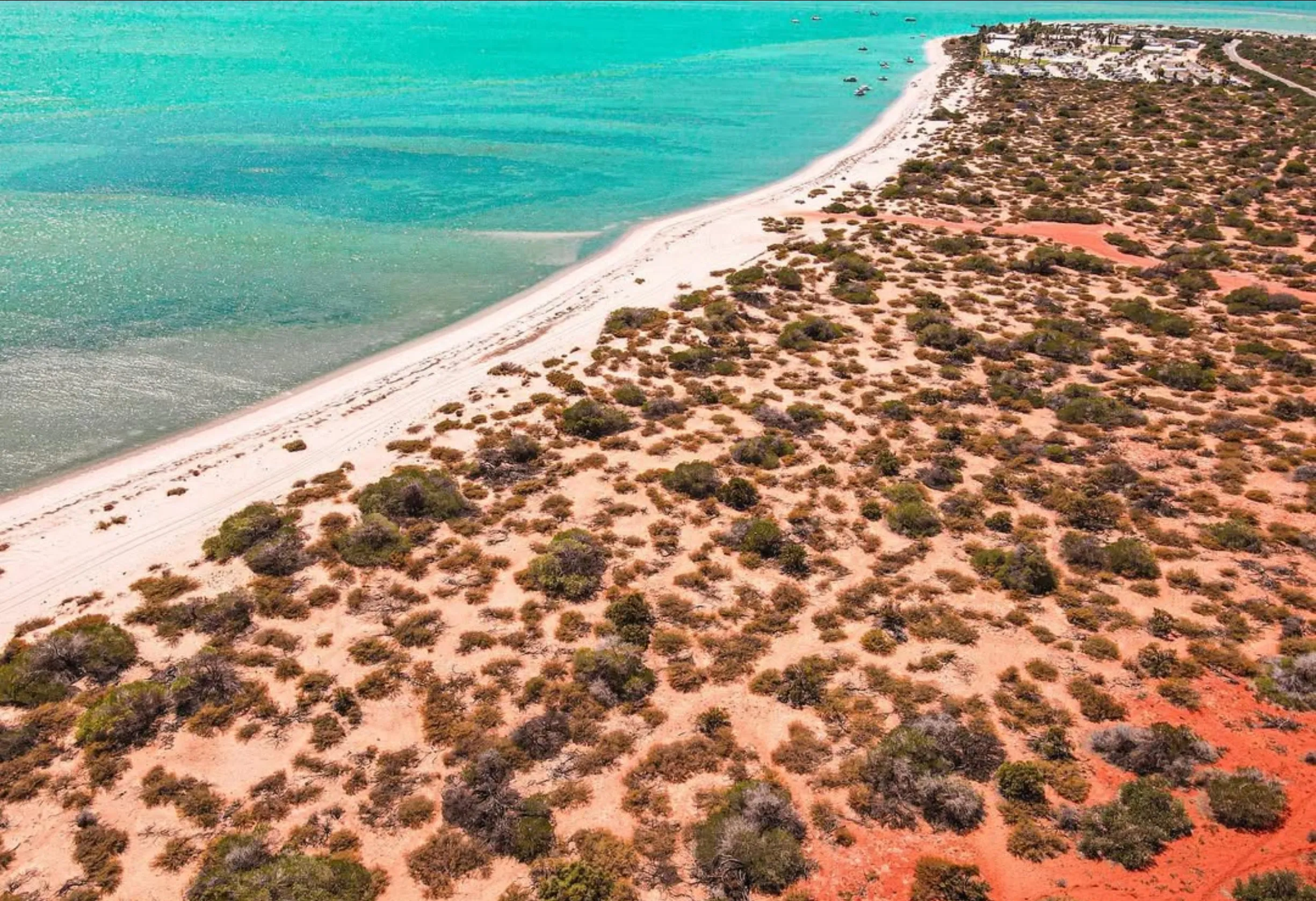
For thousands of years the Malgana people, the traditional owners of this land, have lived in harmony with the marine environment. Their knowledge of the area’s ecosystem, marine life and natural resources has been passed down through generations. The Malgana people’s language and storytelling traditions include stories about the sea, wildlife and the connection between humans and marine animals.
The Malgana people used the abundant marine life, including sea turtles, dugongs and wild bottlenose dolphins, for food. Sustainable fishing practices and respect for the land were key to their survival. There is visible evidence of their presence, with ancient shell middens, stone tools and cultural sites throughout the Shark Bay region. Many modern Monkey Mia tour now incorporate cultural insights so visitors can learn about the Indigenous history of the area.
The Mystery of the Name
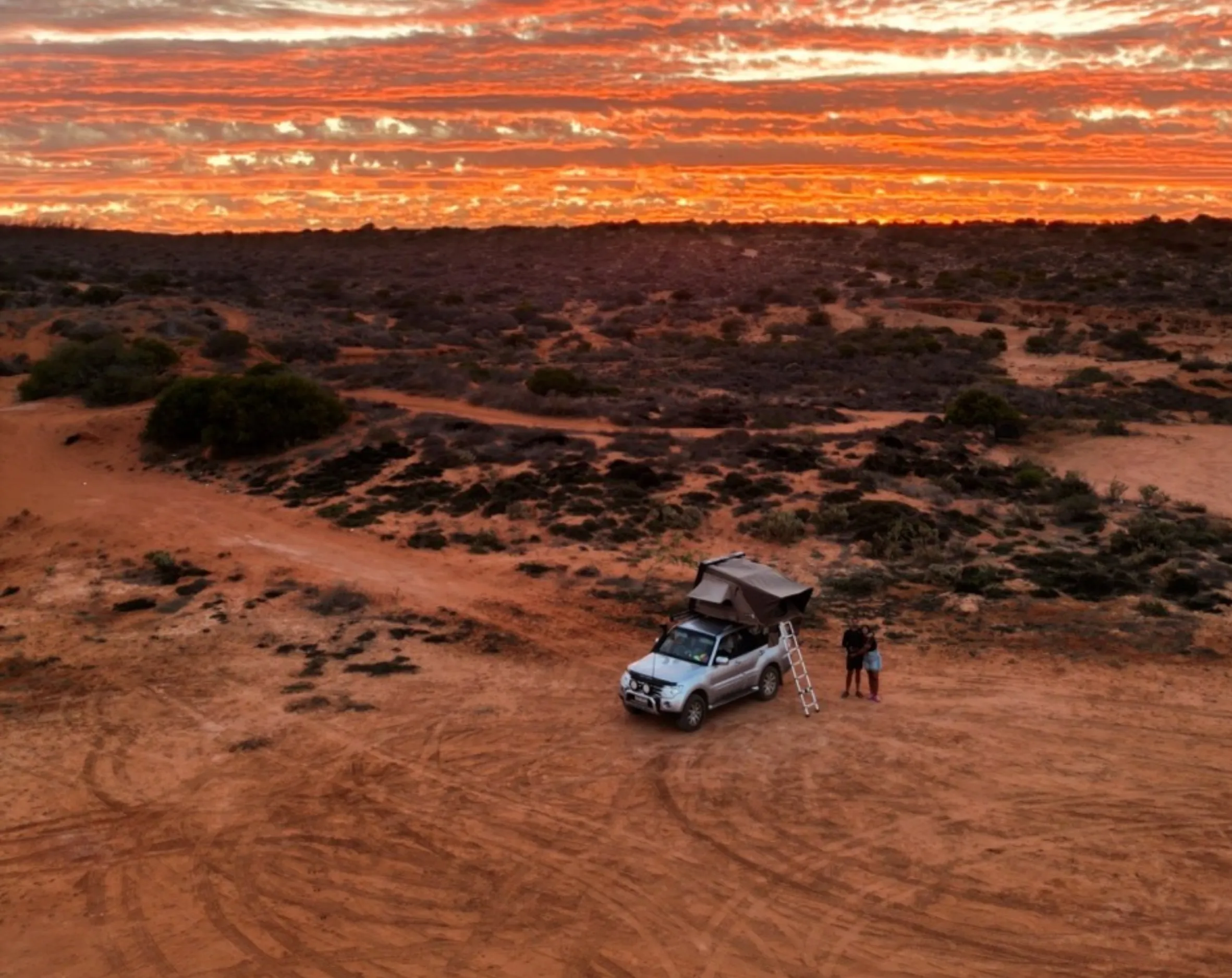
The first recorded European contact with the area was in 1616 when Dutch explorer Dirk Hartog landed in Shark Bay. Over the centuries various explorers, including the French and British, documented the region’s landscapes, ecosystems and marine biodiversity.
The name Monkey Mia has several theories:
- The Pearling Boat Theory – Some historians believe the name comes from a pearling boat called Monkey which was operating in the area in the 19th century. Pearling was a big industry in Shark Bay and many boats operated in its clear, turquoise waters.
- The Pet Monkeys Theory – Another theory is that Malay pearl divers who worked in the region brought pet monkeys with them on their boats.
- The Indigenous Influence – The word Mia is an Aboriginal word meaning “home” or “shelter”, so perhaps Monkey Mia was a significant site for the Indigenous people. Whatever the reason, Monkey Mia has become a must-see tourist destination, and thousands visit each year.
Unique Wildlife Experience
The history of Monkey Mia’s dolphin experience goes back to the 1960s when local fishermen noticed friendly dolphins would swim up to their boats to collect discarded fish. This natural interaction has evolved into one of Australia’s most famous wildlife experiences.
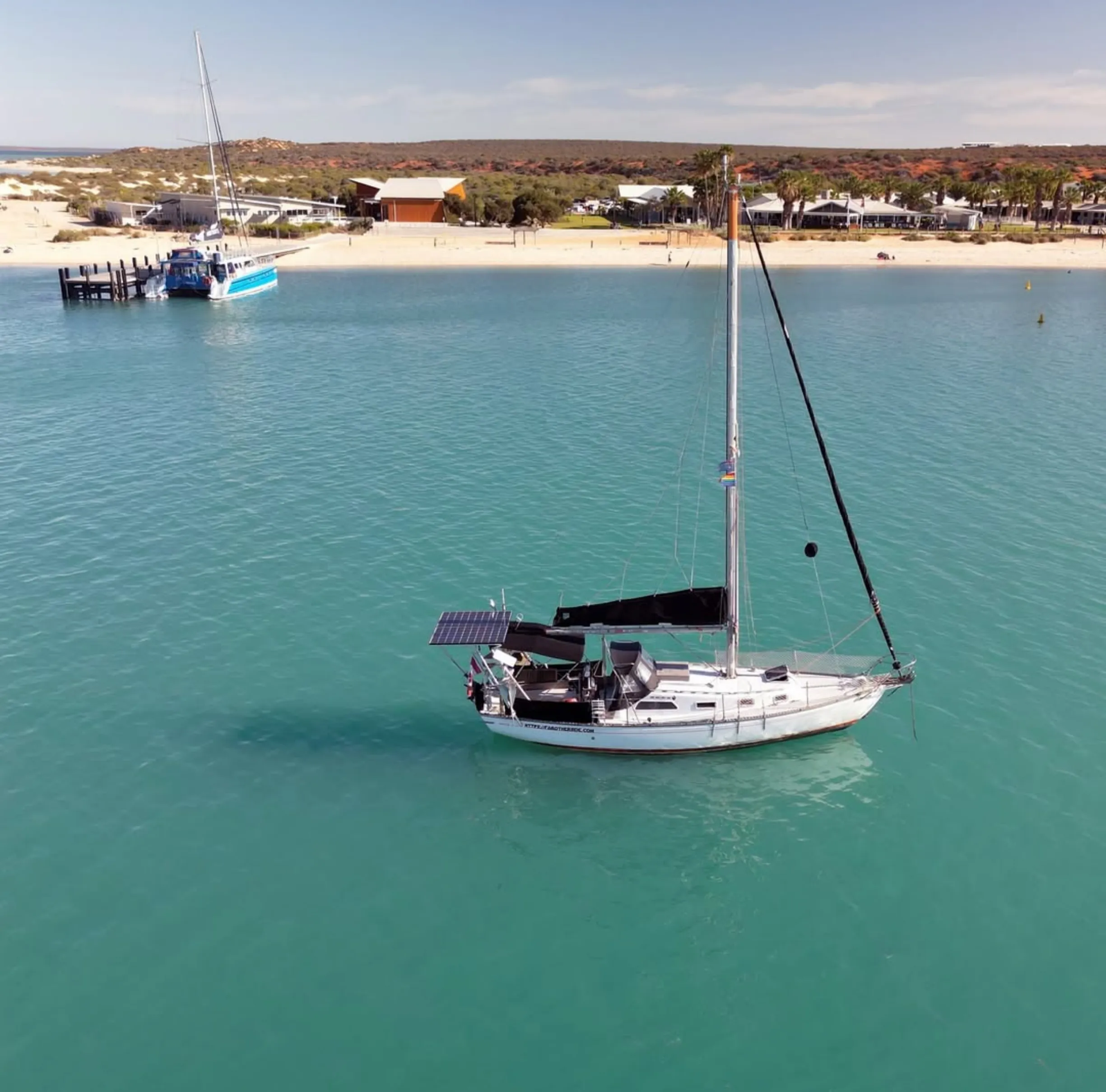
Today the dolphin feeding programs at Monkey Mia are strictly controlled to ensure sustainable tourism. Only a select number of female dolphins are hand-fed under the supervision of marine park rangers. These mature females, known as hand-fed females, are part of a managed conservation program to prevent indiscriminate feeding and maintain the dolphins’ natural behaviour.
You can view dolphins from the boats or from the shore as they interact with rangers and researchers. The Dolphin Research Project, led by major institutions, has studied the social structure, dietary intake and behavioural development of Monkey Mia’s pod of dolphins for decades. This has helped improve marine conservation policies and our understanding of dolphin behaviour including aggression among dolphins, mating rituals and calf survival skills.
Many visitors visit Monkey Mia from Perth tours to see these amazing creatures up close and learn about conservation in the region.
Conservation and Ecotourism
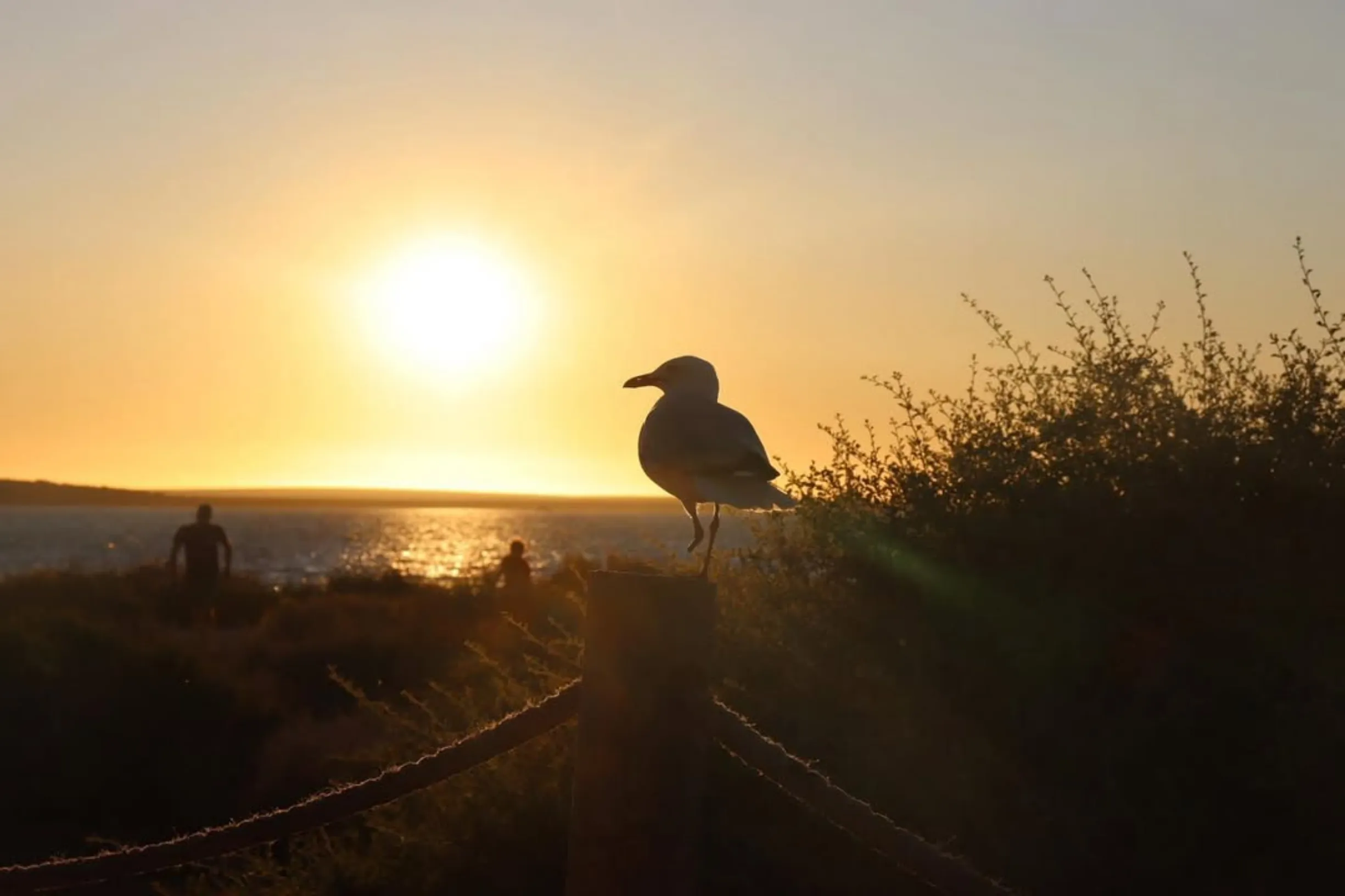
Monkey Mia is located within the Shark Bay Marine Park, a marine reserve dedicated to the protection of marine life. The Australian government and environmental groups have introduced strict visitor regulations to protect the fragile ecosystem including coral reefs, seagrass meadows and native wildlife.
Key conservation activities in the area include:
- Ranger Led Dolphin Feeding – Responsible tourism practices with minimal impact on wild dolphins.
- Shark Conservation – Protecting endangered species in Shark Bay’s pristine waters.
- Marine Education Programs – Teaching visitors about ocean conservation, marine biodiversity and habitat preservation.
- Seagrass Meadow Protection – Crucial for marine animals like dugongs and manta rays.
You can explore the area through guided tours, wildlife cruises and coastal activities. Many Perth tours now include Monkey Mia as part of a longer itinerary so you can experience the best of Western Australia.* Wildlife viewing – See sea turtles, dugongs and manta rays in the wild.
- Stromatolites – Visit the famous stromatolites, one of the oldest living things on Earth.
The visitor centre has information on what to see, where to stay and what to do in the area. If you want a hassle-free experience you can do Monkey Mia from Perth packages that include accommodation, transport and guided wildlife interactions.
Conclusion
Monkey Mia’s history is Indigenous culture, European exploration and marine conservation. From its pearling boat days to the world-famous dolphin research project, this iconic spot continues to captivate visitors with its marine life, landscapes and experiences. Whether you’re into wildlife cruises, guided tours or just getting in the pristine waters, Monkey Mia has something for everyone.
Book your trip today with Monkey Mia Tours and get immersed in one of Australia’s most beautiful marine sanctuaries!
FAQ
Why is Monkey Mia famous?
Monkey Mia is famous for the dolphin experience where wild dolphins interact with humans in their natural habitat. It’s also known for its marine biodiversity, beaches and conservation in the Shark Bay Marine Park.
Can I swim with the dolphins at Monkey Mia?
No, swimming with the dolphins is not allowed to protect their wild behaviour. You can observe from the shore or be on a boat for a closer look.
What’s the best time to visit Monkey Mia?
The best time to visit is during the dry season (May to October) when the temperature is mild and marine life is most active.
How do I get to Monkey Mia?
Monkey Mia is 850 km from Perth or you can fly to Shark Bay Airport and drive for 10 minutes to the marine park. Many travellers choose to do a Perth tour that includes Monkey Mia as part of the trip.
What are the accommodation options in Monkey Mia?
There are many options, from luxury resorts to budget camping sites. RAC Monkey Mia Dolphin Resort is the most popular choice for visitors.
